


Éric
Éric
"Compostons ensemble à Grosbreuil" successfully held its Annual General Meeting on 12 January 2024.
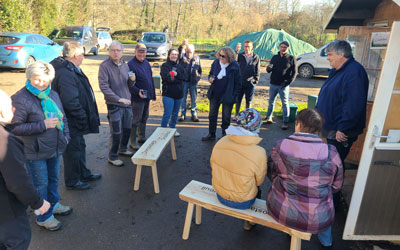
Despite a serious agenda (Annual Report, Accounts, Election of the outgoing 1/3, Activities planned for 2024, Update on obligations from January 2024 in terms of composting organic waste, Projects, etc.), a heroic troop of around thirty volunteers answered the call, braving the ordeals of the annual report.
Perhaps the galettes des rois and a few bottles of cider and trouspinette, that delicious speciality from Vendée, played their part in keeping the meeting jovial right up to the end.
You'd almost think that good humour was part of the programme!
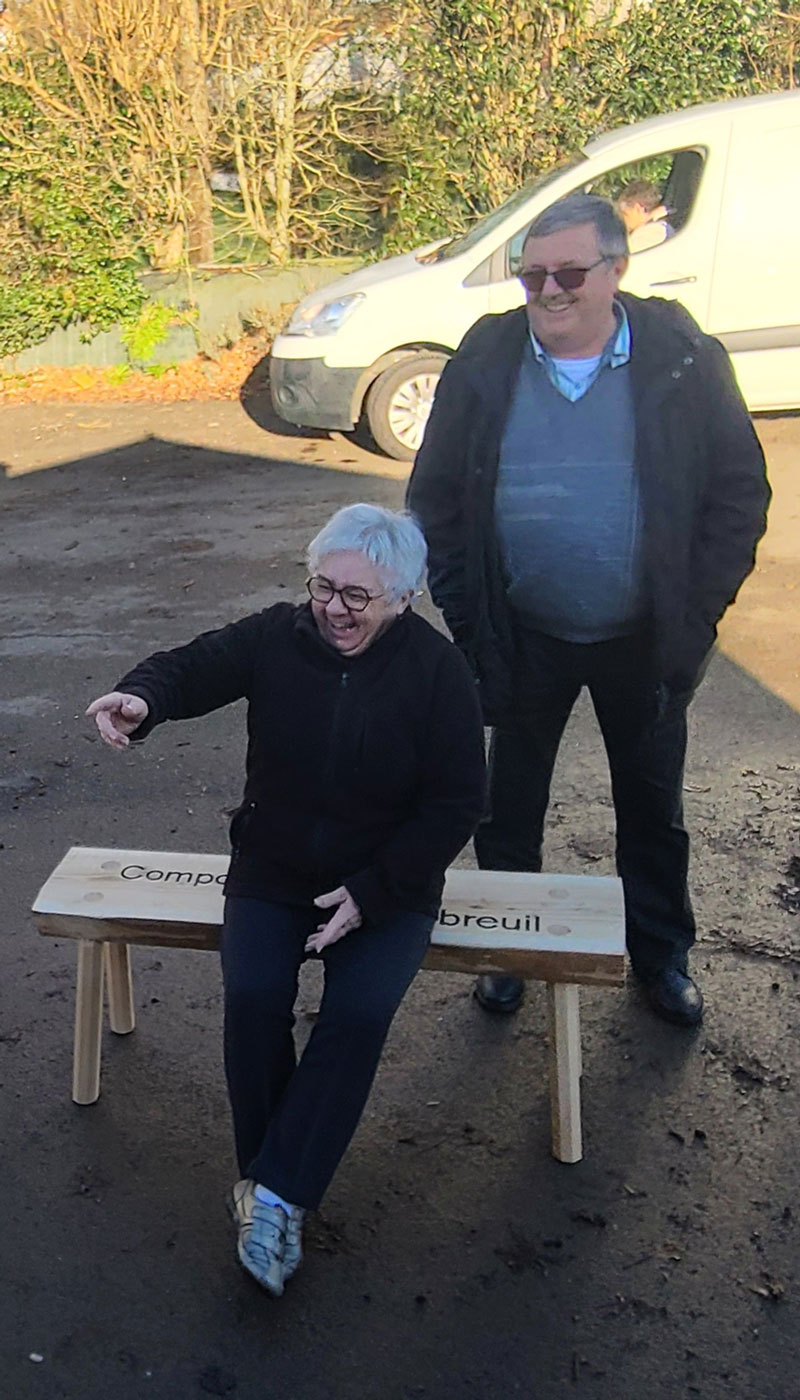
What's more, Annick, with her legendary charisma, was able to captivate the audience in masterly fashion.
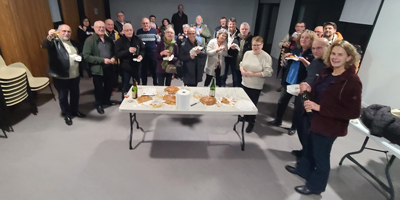
This memorable photo immortalises this unique moment, where everyone's eyes were riveted
on both the galettes and the divine beverages.
In short, the General Meeting was a perfect blend of serious commitment and relaxed conviviality, proving once again that "Compostons ensemble à Grosbreuil" knows how to combine the useful with the enjoyable, even when it comes to counting seeds in the compost!
Annick Cuman
Dear Members,
Our 2023 General Meeting will take place in January 2024.
See you on
VFriday 12 January 2024,
at 8.30pm
at the cultural centre.
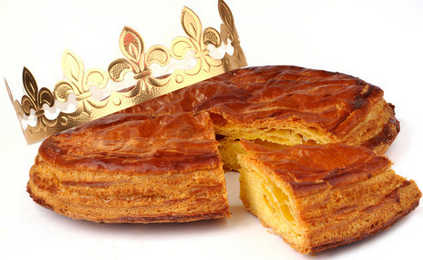 To mark the occasion, we'll be sharing a galette des rois.
For logistical reasons, it is essential that you register by replying to Annick's e-mail!
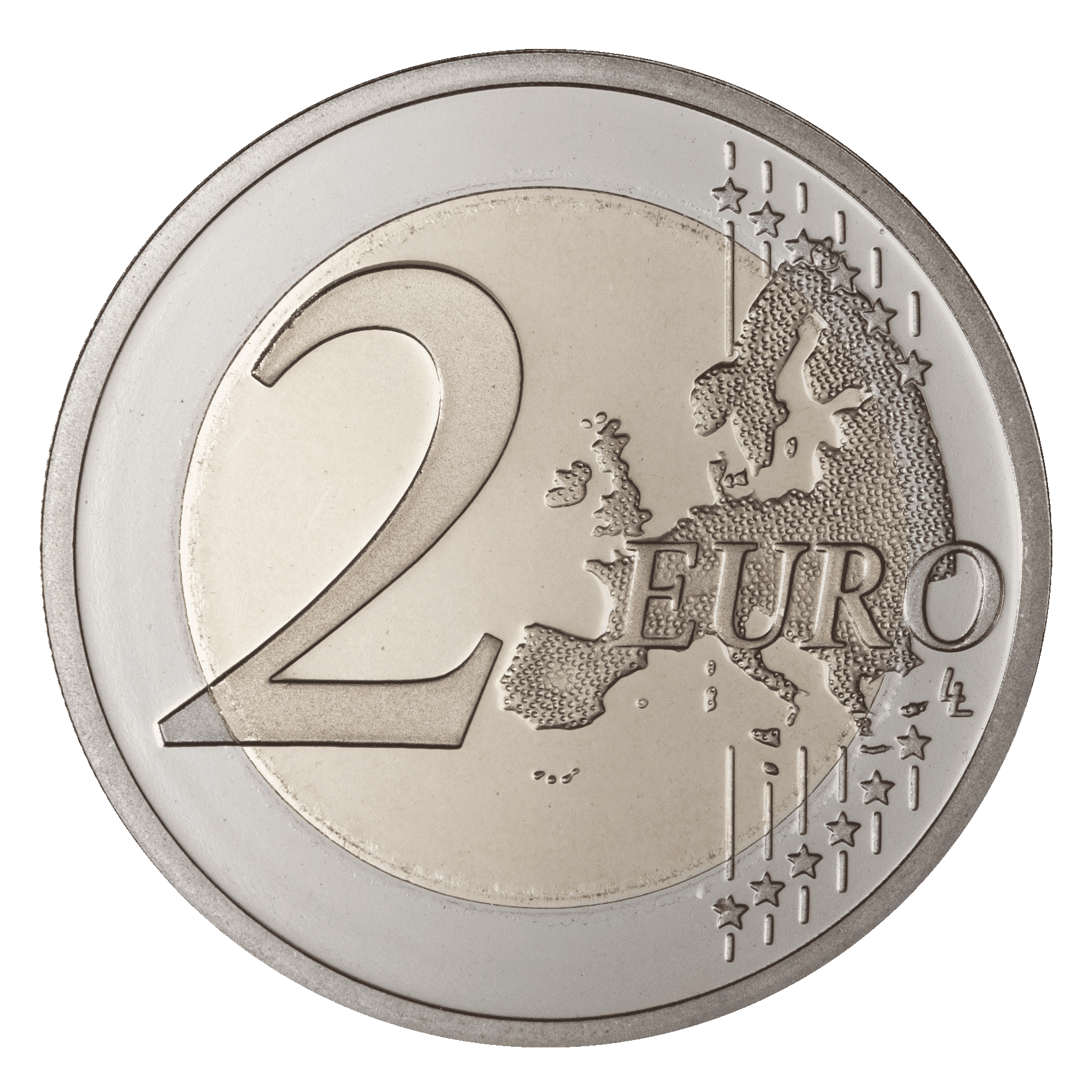 This will also be a good time to renew your membership fee, which remains unchanged at €2 for 2024.
(remember to put a €2 coin in your pocket)
Agenda:
- Annual balance sheet
- Balance sheet
- Election of the outgoing 1/3
- Activities planned for 2024
- Update on obligations from January 2024
- Projects
- Miscellaneous
Best regards

Éric
Dear regular readers of the Journal de la Composterie,
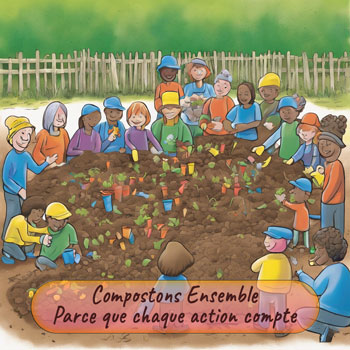 We are entering a new ecological era and are delighted to announce a major initiative for our community: composting will become compulsory in France from 1 January 2024. This is a crucial step towards a more sustainable future, and it was with this in mind that we launched the "Compostons Ensemble" initiative back in 2009!
From 2024, composting will be compulsory in France. To support you in this transition, "Compostons Ensemble" is positioning itself as a reliable and expert local resource, offering practical sessions every Saturday from 10 a.m. to noon.
Breaking the cycle of pollution! In 2023, non-recycled bio-waste is still all too often trapped in household rubbish bags, which inevitably end up in landfill. It's a reality we can't ignore. Composting is our collective solution to breaking this cycle of pollution. Every peel, every leftover meal composted represents a victory against pollution. Composting reduces waste and improves soil quality. Join us every Saturday to find out how your individual contribution can make a significant difference to Grosbreuil.
Our composting sessions aren't just about ticking boxes. They are an interactive and educational experience. We offer a complete introduction to composting, practices and personalised advice for all participants. To support this initiative, the symbolic annual fee is just €2.
We also organise plant exchange days and advice days for gardeners, encouraging the sharing of knowledge and the creation of lasting links within our community, where everyone can share their tips for effective composting.
Together, we can make Grosbreuil a model of sustainability and environmental responsibility. Join us every Saturday to play an active part in this green revolution!
"Compostons Ensemble" - Because every action counts.
Éric
It's 15 December, the sun is shining and the twenty or so "Compostons Ensemble" members are meeting at the O'Grosbreuil restaurant for a friendly get-together. The menu options range from pork cabecero to fish, but the main course seems to be infectious good humour.
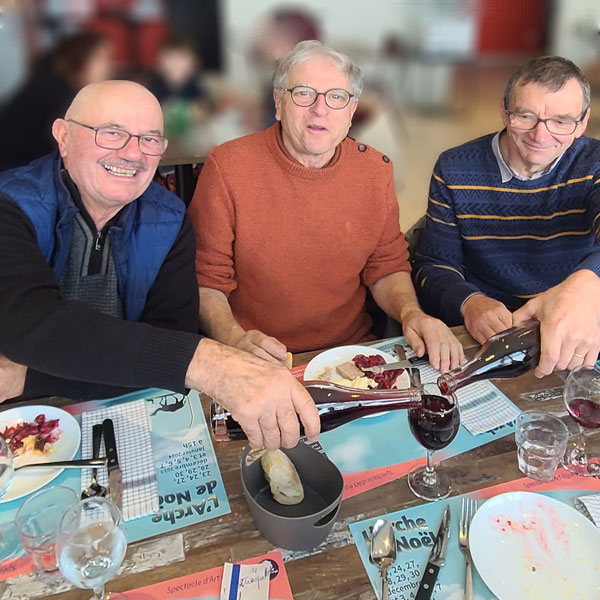 Two companions, armed with bottles of red wine, prepare to serve a third companion who is visibly delighted by this bold initiative. You can almost imagine the resounding laughter as they juggle dishes and bottles, putting the art of composting to the test with unrivalled class.
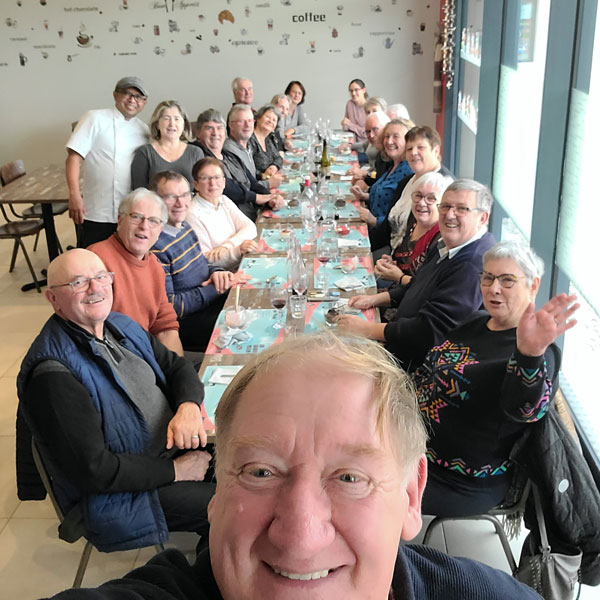
The moment culminates in an epic selfie, where yours truly takes the spotlight in a close-up, with a sea of beaming faces in the background, and to top it all off, the restaurant's hosts, Lydie and Rija, make a special appearance in the background on the left. Their smiles are a testament to the success of this day, when conviviality reached gastronomic heights.
You can almost hear the laughter resonating as the best fertiliser for strengthening the bonds within this ecologically happy association. A gathering where composting is not just about organic waste, but also about cultivating fertile friendships and savouring the good humour in every bite.
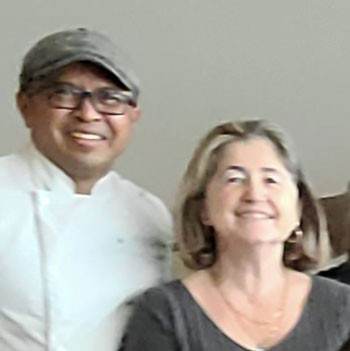 Lydie and Rija, your culinary talent enchanted our taste buds, and every bite was an explosion of flavour.
Thank you for welcoming us with such generosity.
And Annick, a special round of applause for you, the instigator of this memorable day.
Your initiative created a new opportunity to bring together our wonderful "Compostons Ensemble" association in a joyful and good-humoured atmosphere.
Éric
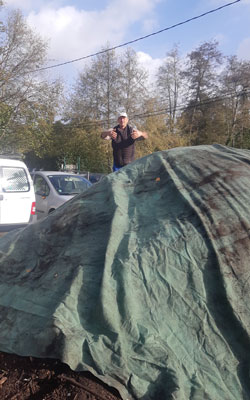
In a remote corner of the Grosbreuil compost heap stood an insidious monster known as 'the compost heap'.
With its layers of green and brown waste, it resembled a dilapidated tower of rotting vegetables and dead leaves at the height of the festival. Every time Laurent saw it, he felt like a mountaineer facing Everest: scared but determined.
Armed with his gardening boots, cap screwed on his head, Laurent advanced towards the stinking beast. He looked at the mountain of rubbish and shuddered: "Let's go, mate!" he murmured to himself, seeking courage from the depths of his being. He took a deep breath and began to climb.
The first few steps were relatively easy, despite a strong wind that could blow cows off their feet. He climbed the first layers of fallen leaves as if they were tidy steps. But soon he was confronted with slippery mouldy bananas and treacherous orange peels. He stumbled and rolled, finding himself buried up to his neck in a mountain of organic waste. "Why on earth did I undertake this?" he moaned, his eyes fixed on the ever-distant summit.
With fierce determination, Laurent continued his ascent, picking his way through sharp wooden bark and the remains of tough courgettes. He emitted strange grunts and exaggerated grimaces with each new piece of rubbish he had to overcome. The neighbours wondered if he was going mad.
But Laurent didn't give up. He climbed, he pulled himself up, he held on, and finally, after titanic efforts, he reached the top of the compost heap.
‘I've done it!’ he cried, his eyes shining with triumph. There he stood, the king of the putrid hill, victory!!!
Raising his arms to the sky, Laurent felt a strange pride come over him. He had conquered the compost heap, he had conquered the unconquered...
⚠️ Windrow Alert
Is the windrow not heating up? The most likely cause is a lack of carbon. Wood chips are essential to balance the nitrogen-rich food scraps. Please always respect:1 part caddy waste + 3 parts wood chips
💡 Did You Know?
Composting can reduce up to 2.5 tonnes of CO2 per year.
♻ Our Practical Guides
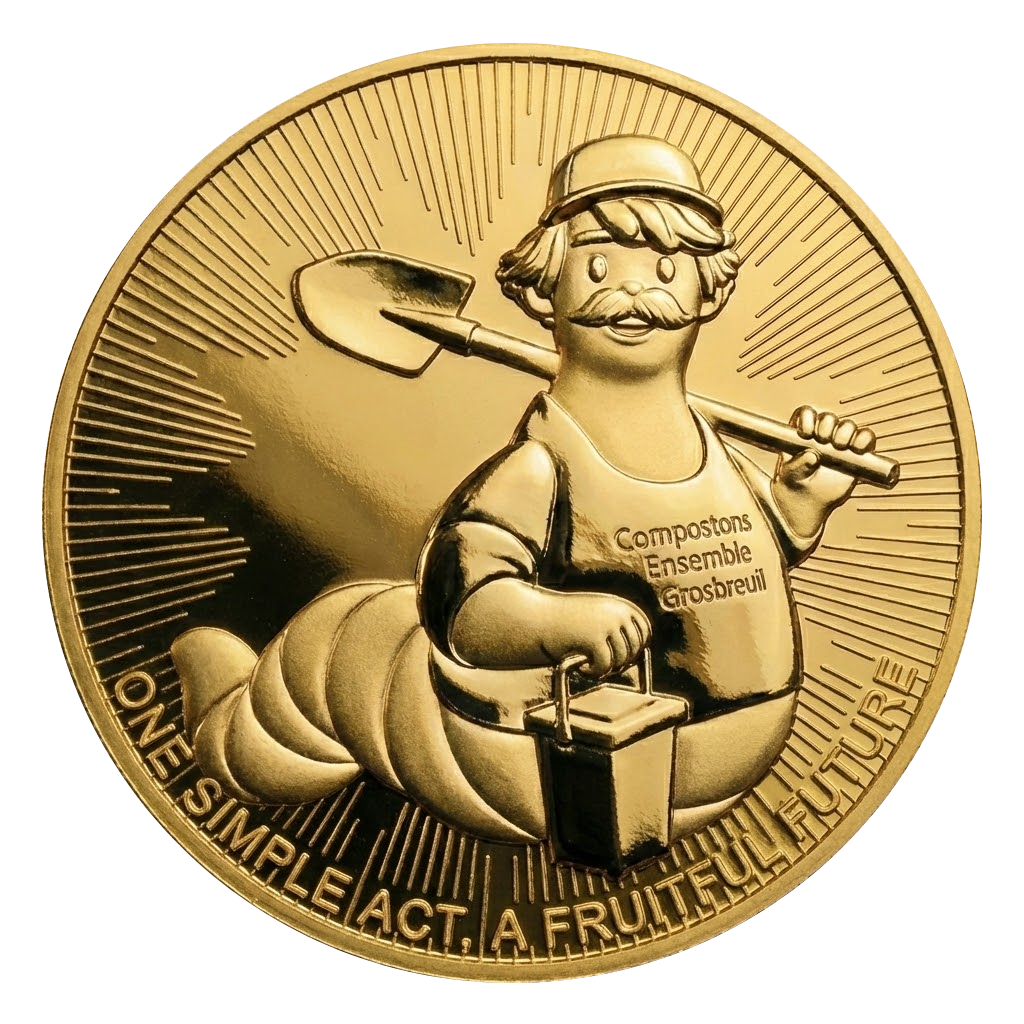
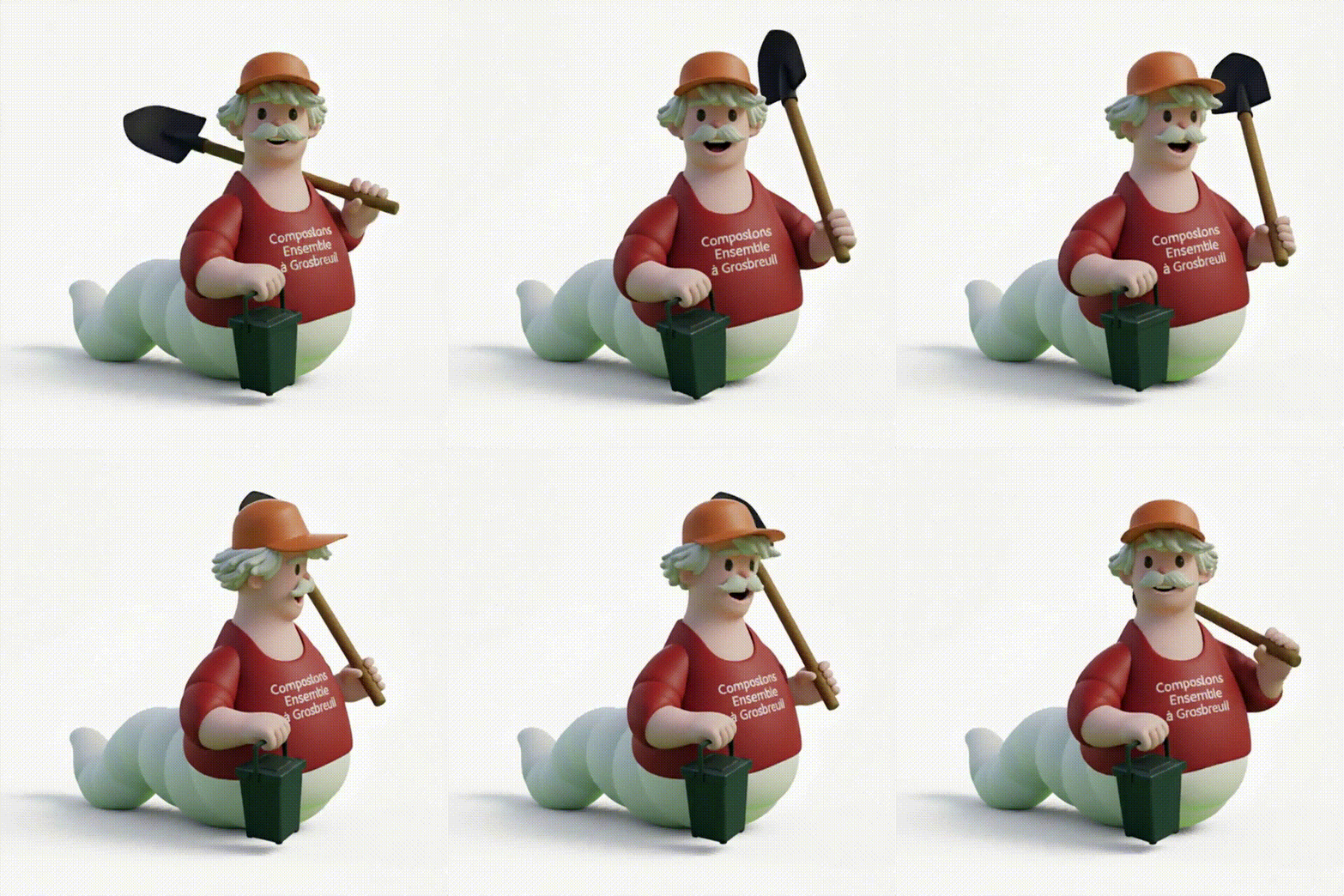
Coming soon
| 16 Sep 2026; 10:00 - 12:00 Jean pierre Lelièvre |
| 19 Sep 2026; 10:00 - 12:00 Jean Luc Thirion 251 |
Visit our blog
The Réseau Compost Citoyen works to place community composting at
the heart of organic waste management. A national network bringing
together associations and local authorities around sustainable and
community-minded practices.
The Verger Conservatoire de Pétré is committed to preserving, promoting
and sharing local fruit tree genetic heritage. A wonderful initiative
protecting the varietal biodiversity of our Vendée region.
The Association for the Promotion of Sustainable Agriculture advocates
for farming practices that respect soil health and the environment —
perfectly aligned with our values of composting and organic recycling.
The Vendée Grand Littoral community of communes supports local
environmental and sustainable development initiatives. Their backing
enables us to roll out shared composting sites across the whole territory.
The municipality of Grosbreuil has been our local partner since the
association was founded in 2009. The town provides sites for our shared
composting locations and supports our awareness-raising activities
among residents.
A Grosbreuil-based roofing and waterproofing contractor, D.C.E shares
our commitment to the local area and the common good. This neighbour
and supporter gives practical backing to our community composting
initiative right here in the village.
🌿 Our Partners 🌿
 ♻️ Composting
Réseau Compost Citoyen
♻️ Composting
Réseau Compost Citoyen
 🍎 Genetic heritage
Verger Conservatoire de Pétré
🍎 Genetic heritage
Verger Conservatoire de Pétré
 🌾 Sustainable farming
L'APAD
🌾 Sustainable farming
L'APAD
 🌊 Community of communes
Vendée Grand Littoral
🌊 Community of communes
Vendée Grand Littoral
 🏛️ Partner municipality
Grosbreuil Town Hall
🏛️ Partner municipality
Grosbreuil Town Hall
 🏠 Local Tradesperson
D.C.E – Drapeau Couverture Etanchéité
🏠 Local Tradesperson
D.C.E – Drapeau Couverture Etanchéité